2026-08-30 · Dale Whitfield
Preparing Your Home Wiring for Alabama Tornado and Storm Season
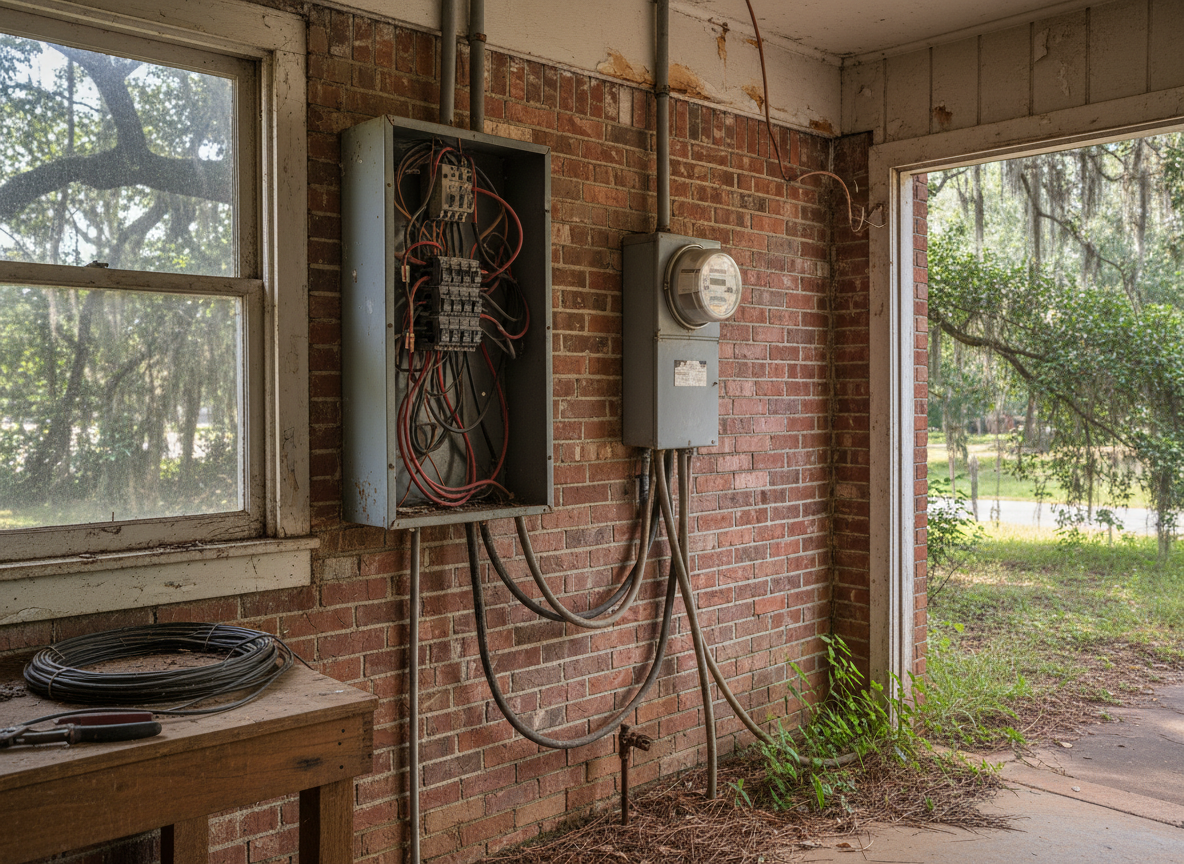
Start by booking an electrical safety inspection 4-6 weeks before peak tornado season to identify loose connections, outdated panels, and missing grounding that storms exploit in Montgomery homes.
Inspecting Wiring in Older Montgomery Homes
Montgomery neighborhoods such as Capitol Heights and Old Cloverdale contain many homes built before 1970 with knob-and-tube or early aluminum wiring that corrodes faster in the area's humid subtropical climate. Hot, humid summers accelerate insulation breakdown, making circuits more prone to arcing during high winds and lightning. Walk through each room and note flickering lights or warm outlets, then test every GFCI and AFCI breaker by pressing the monthly test button. In Dalraida and Highland Gardens, crawlspaces often show rodent damage to wiring after heavy rains soften soil and push animals indoors. Document panel age and wire type before storms arrive so repairs can happen during calmer periods. These checks reveal hidden issues that surface only when winds exceed 60 mph and rain drives moisture into junction boxes.
Surge Protection for Storm Season
A nearby lightning strike can send thousands of volts through service lines and destroy appliances even when the home is not directly hit. Install whole-house surge protection at the main panel rated for at least 50,000 amps to handle Montgomery's frequent summer storms. Point-of-use protectors on sensitive electronics add a second layer, but they fail faster without the primary device. Check that the grounding electrode system remains intact, especially after soil shifts from heavy rain. What a nearby lightning strike does to your wiring, outlets and appliances explains the path current takes through neutral and ground wires in local homes. Test surge devices annually and replace any unit that shows a tripped indicator light after a storm.
Generator Readiness and Backup Power
Power outages lasting days follow tornadoes that down lines across Montgomery County. A properly sized portable or standby generator keeps refrigerators and medical equipment running when grid power fails. Verify the transfer switch is interlocked to prevent backfeeding and that the generator's 30-amp or 50-amp inlet matches the panel's requirements. Place units at least 20 feet from windows to avoid carbon monoxide entry during humid summer evenings. Generator Installation covers load calculations for typical Eastdale and Dalraida homes. Keep extra fuel stabilized and test the system under load every 90 days so it starts reliably when warnings sound.
Emergency Response After Tornadoes
High winds often rip service drops from homes in Capitol Heights and send debris into overhead lines. Avoid any downed wires and call for emergency electrician service available 24 hours, 7 days. Once power is restored, inspect every outlet and switch for moisture or burn marks before resetting breakers. Reset GFCIs in bathrooms and kitchens first, then check the main panel for tripped breakers that indicate hidden damage. Homes near Riverfront Park face extra risk from flooding that can submerge outdoor receptacles. Document all damage with photos for insurance before any cleanup rewiring begins.
Scheduling Professional Electrical Safety Inspections
Schedule a full electrical safety inspections visit before April and again after October to catch seasonal wear from Montgomery's weather cycle. Technicians examine service entrance cables, panel bus bars, and grounding rods for corrosion caused by repeated humidity and temperature swings. They also verify that smoke detectors remain on dedicated circuits and that AFCI protection covers bedrooms added during renovations common in Old Cloverdale. This proactive step prevents small faults from becoming fire hazards when the next line of storms moves through from Birmingham or Auburn directions.